
How To Gain Astonishing Efficiency With Excel
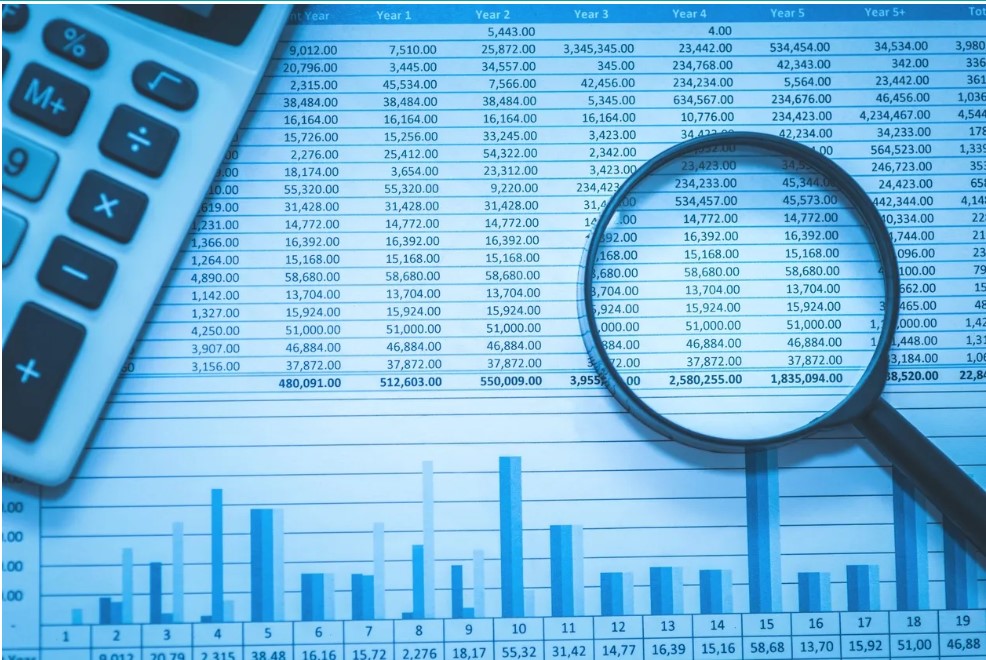
Microsoft Excel has become an indispensable tool for businesses of all sizes. Its versatile features and capabilities enable professionals to streamline workflows, organize data, perform complex calculations, and visualize information effectively. In this article, we will explore why Microsoft Excel is essential in an office setting and how it enhances productivity and efficiency.
Data Organization and Management
Excel provides a powerful platform for organizing and managing data. With its spreadsheet format, you can create tables, input and manipulate data, and organize information in a structured manner. Excel’s flexible data entry options, sorting, filtering, and formatting capabilities allow you to efficiently store and retrieve data, making it easy to find and analyze information whenever needed.
Calculation and Analysis
Excel’s robust formula and function library make it an invaluable tool for performing calculations and data analysis. From simple arithmetic operations to complex mathematical and statistical computations, Excel empowers users to process large volumes of data with precision and speed. By leveraging formulas, functions, and built-in tools like PivotTables, users can derive valuable insights and make data-driven decisions.
Reporting and Visualization
Excel’s charting and graphing features enable users to present data visually, transforming complex information into easily digestible charts, graphs, and dashboards. Whether it’s creating sales reports, financial statements, or performance metrics, Excel’s visualization capabilities make it simple to communicate data effectively, facilitating better understanding and decision-making within the office.
Project and Task Management
Excel serves as a versatile project and task management tool. With features like conditional formatting, data validation, and custom sorting, you can track project timelines, set priorities, and manage tasks efficiently. Excel’s ability to create dynamic Gantt charts, checklists, and progress trackers allows teams to stay organized and collaborate seamlessly, improving overall project management and productivity.
Budgeting and Financial Analysis
For financial professionals, Excel is an essential tool for budgeting, financial modeling, and analysis. With Excel’s array of financial functions and tools, you can create comprehensive budgets, perform variance analysis, calculate forecasts, and conduct what-if scenarios. Excel’s ability to handle complex financial calculations and generate accurate reports simplifies financial decision-making processes within the office.
Automation and Efficiency
Excel’s functionality extends beyond manual data entry and calculations. It allows users to automate repetitive tasks using features such as macros and Visual Basic for Applications (VBA). By automating routine processes, users can save time, reduce errors, and increase overall efficiency. Excel’s power lies in its ability to handle large datasets, automate calculations, and generate reports with a few simple clicks.
Collaboration and Integration
Excel seamlessly integrates with other Microsoft Office applications, such as Word and PowerPoint, facilitating collaboration and data sharing. Multiple team members can work on the same Excel file simultaneously, making it easy to collaborate and consolidate data. Excel files can be embedded in PowerPoint presentations or linked to Word documents, creating cohesive and dynamic reports.
Flexibility and Customization
Excel’s flexibility allows users to tailor it to their specific needs. From creating customized templates and formulas to developing advanced macros and add-ins, Excel can be adapted to accommodate diverse office requirements. This flexibility ensures that Excel remains a valuable tool for businesses across various industries